


How to Lose Face
Fat Naturally
Source-linked habits
and realistic limits.
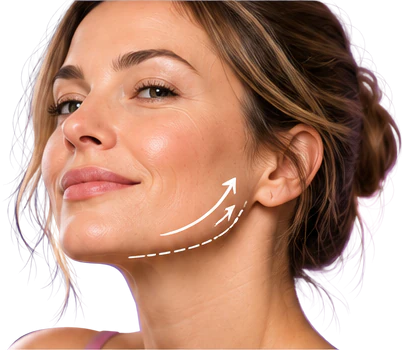
Understand what shapes facial fullness and your jawline, build sustainable wellness habits and care for your skin with realistic expectations.

Explore eight practical strategies for facial wellness, with nutrition, hydration, exercise and facial care brought together in one beautifully designed guide.
Learn how weight, fluid, skin and natural structure shape your face.
Cleanse, moisturize and protect from the sun. A serum is optional.
Choose sustainable habits and give changes time. Results vary.
 Illustrative image
Changing your facial contours is only part of the journey. Caring for your skin completes the picture. As facial volume decreases, fine lines and changes in firmness can become more noticeable. Synevra UltraLift is a serum positioned for hydration and smoother-looking skin. It is skincare and does not reduce facial fat.
Explore the skincare approach. Sources · Affiliate disclosure.
Affiliate link: we may earn a commission if you buy, at no extra cost to you.
Source-linked habits
and realistic limits.

What balanced eating can
and cannot change.

A gentle ritual, with its
limits explained.
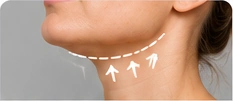
Causes, limits and options
to discuss with a clinician.
A fuller face is not a diagnosis.
Your natural shape is part of the picture.
A fuller-looking face can have several explanations. Before changing your routine, separate normal anatomy from overall fat gain, temporary fluid changes and skin laxity. The same silhouette can have different causes.
Changes in overall body fat can affect facial fullness, but the face does not change in a fixed order. Weight alone cannot explain your cheek or chin contour.[2]
Cheekbones, jaw shape and the tissues over them all contribute to your outline. A soft jawline is not automatically excess weight. An assessment is more useful than diagnosing a selfie.[12]
Food patterns, movement, sleep, medicines and health conditions can influence weight over time. No single food explains every change.[2]
A considered facial wellness routine brings together sustainable weight-management habits, everyday wellbeing and skin care. Explore six ways to build a routine that supports your goals and fits your life.
Whole-body movement supports fitness, wellbeing and sustainable weight management.
Walking, cycling, swimming and strength work support health and weight management. Adults generally need at least 150 minutes of moderate activity weekly, plus muscle-strengthening activity on two days. Build up from your current ability. Jaw exercises do not replace whole-body activity.[3] [16]
Build varied, nourishing meals and sustainable portions, rather than chasing a face-slimming food.
Choose a varied pattern with vegetables, fruit, whole grains, protein foods and appropriate portions. If weight loss is medically appropriate, sustainable changes to overall energy intake matter more than a “face-slimming” ingredient. Crash diets and eliminating food groups are unnecessary.[4]
Regular hydration supports wellbeing and fits naturally into a balanced daily routine.
Consistent, adequate sleep supports wellbeing and a more restful daily rhythm.
Most adults aged 18–60 need at least seven hours of sleep regularly. A consistent bedtime and a calm wind-down can help make that possible. Regular sleep complements your wider wellness habits and helps make a consistent routine easier to maintain.[7]
Choose sustainable routines and avoid detox shortcuts or extreme restriction.
Notice patterns rather than seeking a quick fix: very salty meals, erratic routines and unrealistic plans can make progress harder to interpret. Compare food labels and choose habits you can maintain. Detox teas and cleanses have weak evidence for lasting weight management and can carry risks; they are not a shortcut to a defined face.[8] [19]
Gentle cleansing, hydration and sun protection support smoother, healthy-looking skin.
Gentle cleansing, moisturizer and broad-spectrum SPF 30 or higher form a thoughtful skincare foundation. Moisturizing can soften the appearance of dryness and fine lines. As facial volume changes, hydration and surface care help keep the focus on a smooth, refreshed-looking complexion.[14] [13]
Three different concerns can soften facial definition. They can overlap, and a photograph cannot establish which one applies to you. Understanding the difference helps you ask better questions.
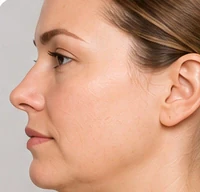
Fat contributes facial volume; overall weight and natural anatomy both matter.
Fat contributes to cheek and under-chin volume. It is not something you can reliably identify from one photograph or reduce by choosing which muscles to exercise. When overall weight loss is appropriate, facial changes may accompany it; the degree and location vary.[16]
Fluid-related swelling can fluctuate. Persistent or unexplained changes deserve assessment.
Swelling involves fluid, not simply a larger fat store. It can fluctuate or have a medical cause. Reducing an identifiable trigger may help, but unexplained puffiness should not automatically be blamed on salt. Pain, redness or worsening swelling needs medical attention.[9]
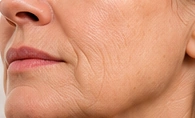
Changes in skin support can soften definition without substantial excess fat.
Skin laxity can soften a jawline even without substantial excess fat. Skin aging and fat volume are different concerns, so losing more weight is not automatically the answer. Moisturizers may improve surface appearance, while meaningful laxity may require a professional assessment.[13] [14]
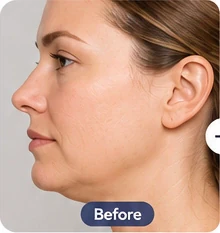
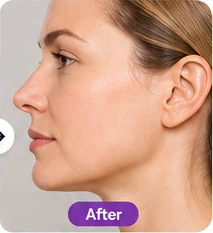
Photography is illustrative, not a diagnostic guide or evidence of treatment results.

There is no facial-fat countdown. What changes, and when, depends on the cause of fullness and the approach you take. A seven-day photo challenge cannot tell you whether a change came from fat, fluid, lighting or expression.
If overall weight loss is appropriate, the CDC favors a gradual approach over rapid loss. That guidance concerns body weight, not a promised change in cheeks or a timetable for a sharper jaw.[1]
Establish consistent habits. A quick change in puffiness does not prove facial fat loss.
Use the first week to notice whether fullness is constant or changes through the day, and establish regular meals, fluids, movement and rest. A change in puffiness is not proof that facial fat has been lost. There is no reliable seven-day cheek-fat target.
Review whether your routine is sustainable. There is no guaranteed two-week facial result.
Two weeks can help you judge whether a routine fits your life. It cannot guarantee smaller cheeks or a sharper jaw. Persistent or worsening new swelling deserves assessment.
Facial changes vary. Overall weight trends and medical treatments follow different timelines.
Look for sustainable health changes rather than a deadline for your face. Facial definition may respond differently from overall weight. Cosmetic fat-reduction procedures also have their own timelines; the AAD describes results developing over months, not overnight.[18]
The questions people ask most, with the distinction between appearance, health and evidence kept in view. You do not need to turn every natural feature into a problem to solve.
There is no reliable at-home way to rapidly remove fat from the face alone. First consider whether fullness is swelling. If overall weight reduction is appropriate, sustainable eating and activity are better starting points than a face-specific challenge. Avoid dehydration, extreme restriction and detox products.[16] [19]
Full cheeks can reflect inherited features and normal anatomy at a healthy weight. A hollow-cheek look is not a medical reason to lose weight. Consider whether your face has actually changed or whether lighting and camera angle explain the difference. New or one-sided changes deserve assessment.[12] [10]
A week cannot guarantee a visible change in facial fat. The CDC describes gradual overall loss of about one to two pounds weekly as more sustainable for many adults who need weight reduction. This is not a cheek-fat target; faster-looking changes can reflect fluid.[1]
There is no universal two-week result. Some people notice changes and others do not; appearance alone cannot establish how much fat changed. Medicines, health conditions and individual differences matter. Use this period to evaluate a manageable routine, not to escalate restriction if your cheeks look the same.[2]
Appropriate nutrition and activity address overall weight, not a chosen fat-loss location. Localized under-chin fat is a separate cosmetic concern. In the United States, deoxycholic acid is approved for certain adult under-chin fat, not general cheek slimming. Suitability and risks require a qualified clinician; never self-inject.[3] [17]
Identify whether the concern is fat, fluid, skin laxity or natural structure. Appropriate weight management, investigating swelling and discussing skin concerns serve different purposes. More of the wrong routine may not help. A naturally fuller face does not need to meet a beauty standard to be healthy.[9] [13]
Massage is not an established facial-fat treatment. A temporary change in appearance does not demonstrate destroyed fat cells. Be cautious about before-and-after images with different lighting, expressions or angles. Unexplained swelling needs its cause assessed rather than forceful massage intended to reshape the face.[16] [10]
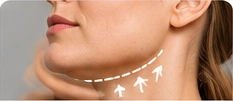
Under-chin fullness can involve localized fat, loose skin or jaw structure. Overall weight may contribute, but a double chin does not diagnose overweight. Fat-reduction treatments do not automatically address lax skin. A professional assessment can distinguish the tissues involved before considering a cosmetic procedure.[17] [13]
Evidence remains limited. A small 2018 JAMA Dermatology study reported improved cheek fullness after facial exercises, not slimmer cheeks or measured fat loss. It lacked a control group and had substantial dropout. Those findings do not justify a promise that face yoga burns cheek fat.[15]
Creams and serums focus on skin appearance rather than reducing facial fat. Hydration can temporarily soften fine lines and make skin look smoother. Synevra UltraLift complements this skincare approach with a formula designed around hydration and improved-looking texture, making skin care a natural companion to changes in facial volume.[13]
Fat contributes tissue volume; puffiness describes fluid-related swelling. Both can coexist, and appearance alone may not distinguish them. Sudden, painful, severe or persistent swelling needs assessment. Facial swelling with breathing difficulty is an emergency. Do not dismiss a new change as a beauty concern.[9] [11]
A healthy weight does not prescribe one cheek shape. Inherited features and tissue distribution can explain fullness without a need for further weight loss. If a new change follows a medicine, ask the prescriber rather than stopping it yourself. Unexplained swelling should also be assessed.[12] [10]
Our editorial approach. We draw on published research and established skin-health guidance. This content is general education; product information describes intended cosmetic benefits. Photographs are illustrative, and individual experiences vary. See our product sources and affiliate disclosure.